A Checklist for Global Payroll Payouts
Key highlights
- Global payroll payouts are the last step of an international pay run: moving net pay into each worker's local account, in local currency.
- Payroll platforms calculate pay, tax and contracts. The payout step decides whether that pay lands on time, in full and with the right paperwork.
- Global payroll payouts fail late, short or not at all, and each failure has a cause finance teams can check before the run.
- The checklist covers ten controls, from funding and FX to reconciliation.
- zFX shows the live rate for the amount you want to send.
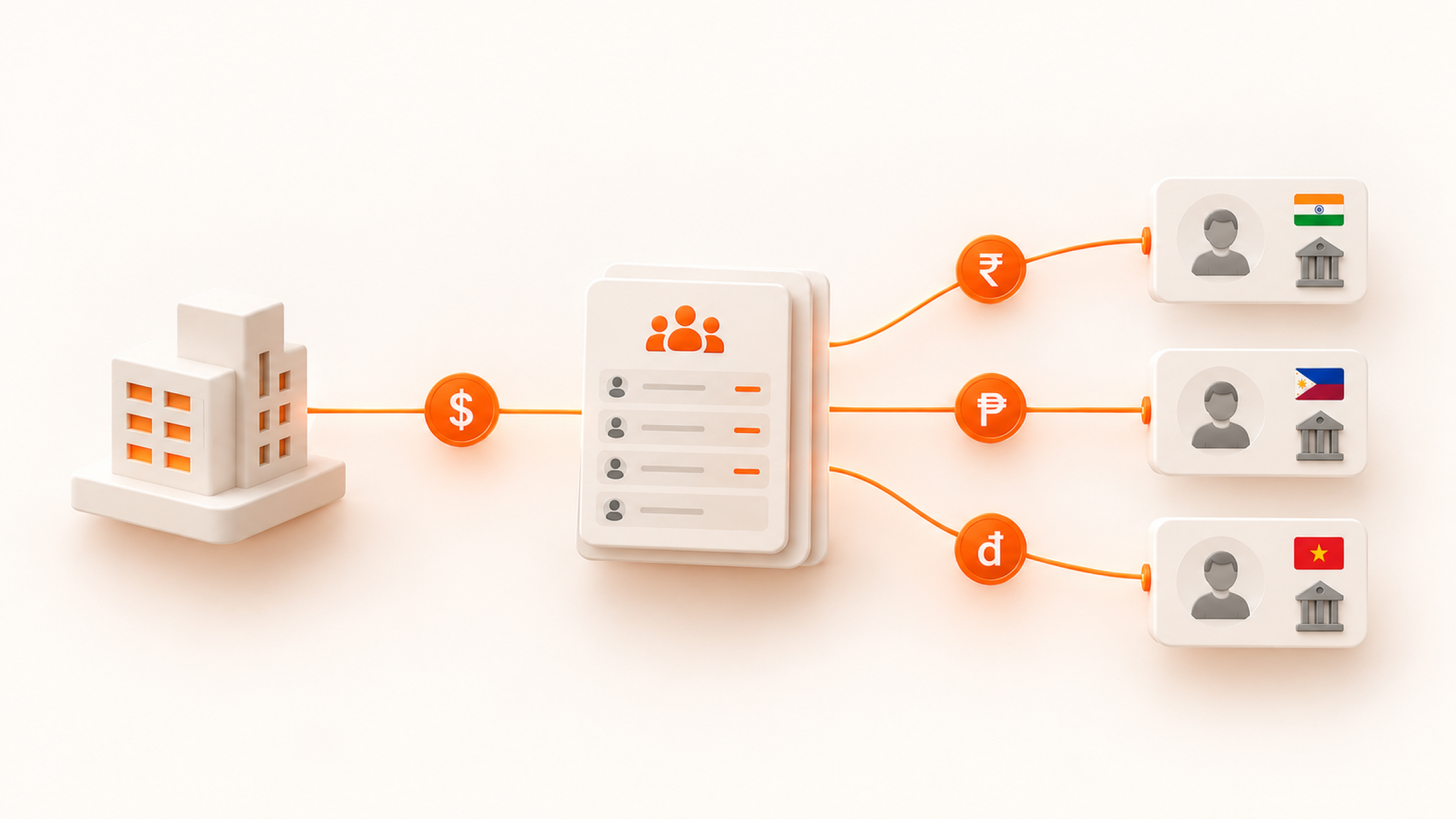
Consider a Sydney company that pays 120 contractors across India, the Philippines and Vietnam. Three days after the run, eleven are still waiting and four were paid short. The payroll calculation was right. The payout failed.
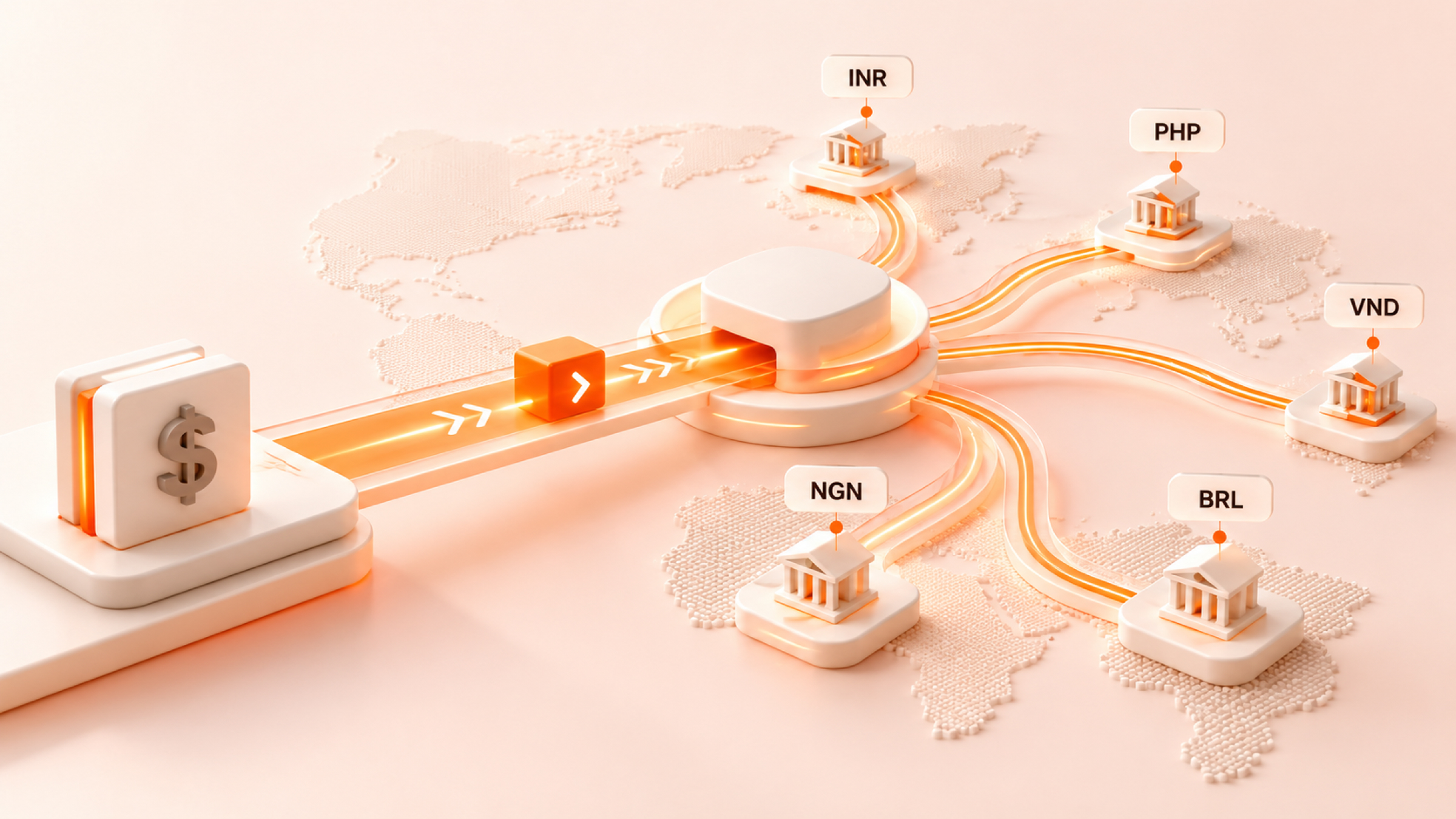
Global payroll payouts are the transfers that move net pay from an employer, or a payroll platform acting for it, to employees and contractors in other countries, delivered in local currency into a local bank account or wallet.
A payout failure is pay that lands after the contracted date, lands below the contracted amount because of fees or FX deductions, or is returned or held and never lands.
Cross-border payroll payments is the wider category: every international money movement a pay run triggers.
This checklist serves the CFO who signs off the pay run and the Head of Payments at a payroll platform choosing the rails beneath it.
What are global payroll payouts?
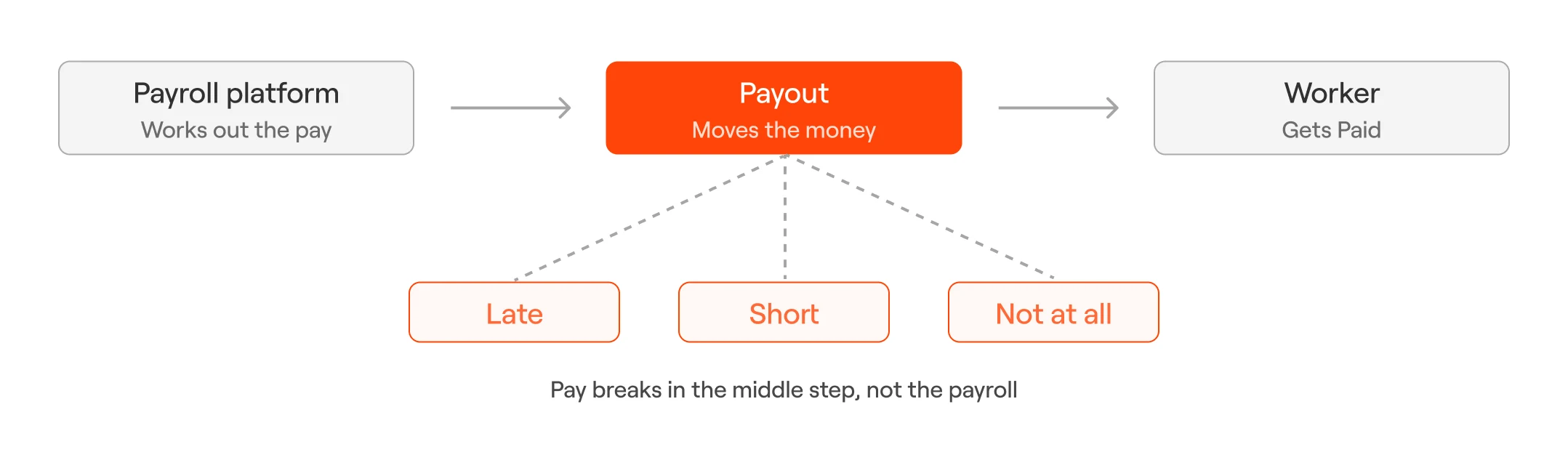
Every international pay run has two halves. The first is payroll: gross-to-net, tax, contracts and payslips, owned by payroll and employer-of-record platforms.
The second is the payout: funding, conversion, routing, screening and delivery. Here cross-border payroll payments meet correspondent banks, cut-off times and local clearing systems. A correct payslip does not guarantee a correct payment.
Where payroll ends and global payroll payouts begin
The handoff happens when an approved net-pay file leaves the payroll system. From there the questions are cut-offs, rates, fees and bank details: payment questions for a payment specialist.
Why global payroll payouts arrive late, short or not at all
Late. Speed is where cross-border payroll payments fall furthest short of target. Swift data analysed by the Reserve Bank of Australia shows about 34% of payments into Australia completed within one hour in 2023/24, against a G20 target of 75%. The RBA links delays to limited operating hours, compliance checks and messaging errors.
Short. Fees and FX margins come out of the amount that lands. The World Bank puts the average cost of sending $200 from the United States to the Philippines at 4.52% in Q3 2025, including a 1.40% exchange rate margin. How an FX spread is hidden explains why that gap never appears as a line item.
Not at all. Payments bounce on mismatched names, wrong account formats or missing documents, or sit in open-ended compliance reviews. A return can cost a full pay cycle.
Some corridors make a shortfall a legal breach. The Philippines’ Magna Carta of Filipino Seafarers requires a monthly allotment of at least 80% of salary through an authorised Philippine bank, at no expense to the seafarer.
The global payroll payouts checklist
Each item closes one failure mode in cross-border payroll payments before it reaches a worker.
Before the run: funding, rate and fees
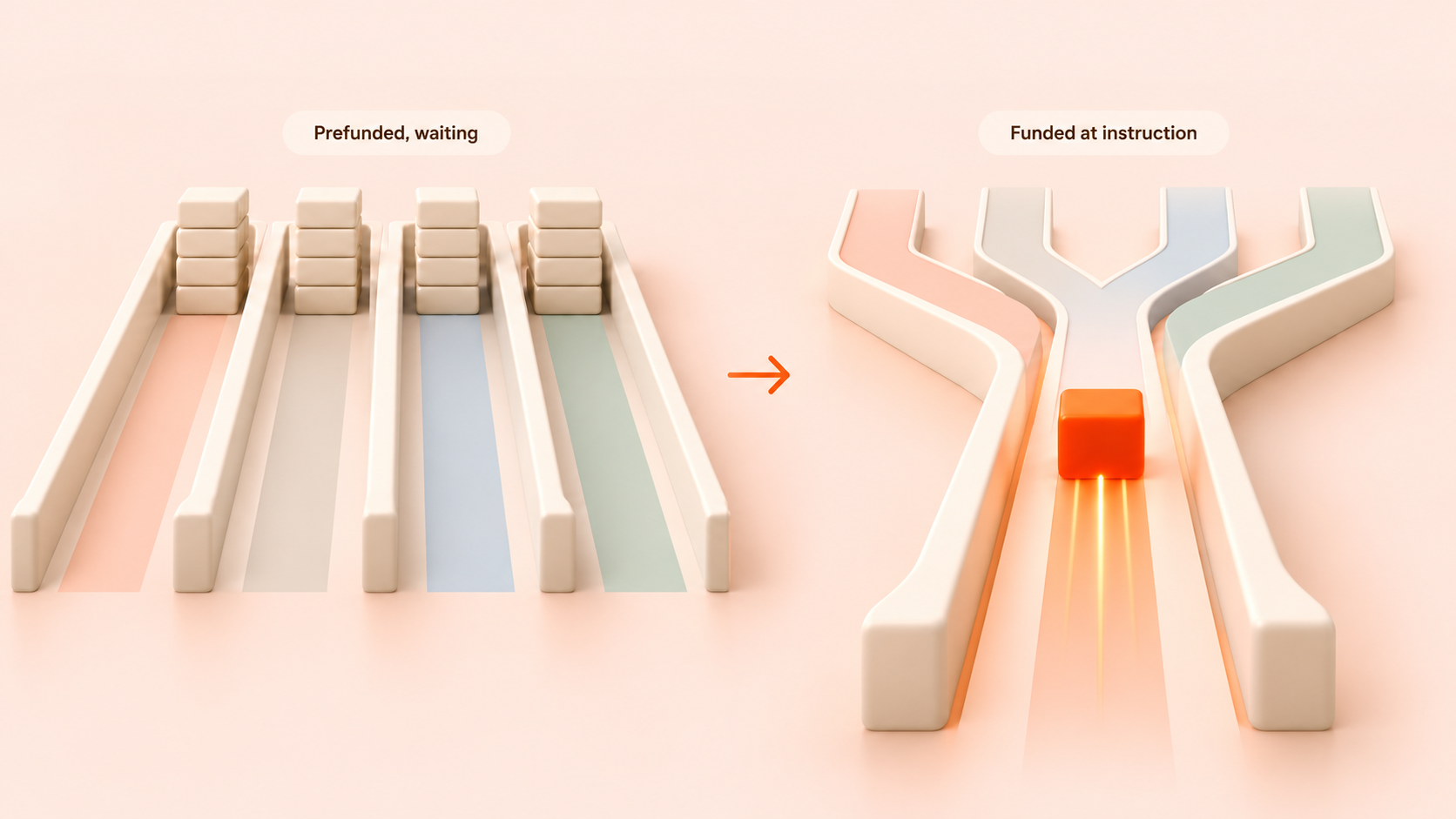
- Fund for the slowest corridor. Set the deadline by the latest local cut-off, counting destination weekends and holidays.
- Lock the rate before release. Ask for one stated rate, held from approval to delivery. An indicative rate moves FX risk onto the payroll budget.
- Decide who bears the fees. Instruct payments under the OUR charge code so the payer bears intermediary charges. Confirm the receiving bank honours OUR in each corridor.
Before the run: payee data
- Validate beneficiary details per corridor. Account formats and name matching differ by country. Validating before release prevents returns.
- Match the KYC document set to the corridor. Labour-corridor workers often hold residence documents a generic onboarding flow rejects.
During the run: routing and screening
- Route into local rails. Each correspondent hop adds time and a possible deduction. Domestic payment systems remove both.
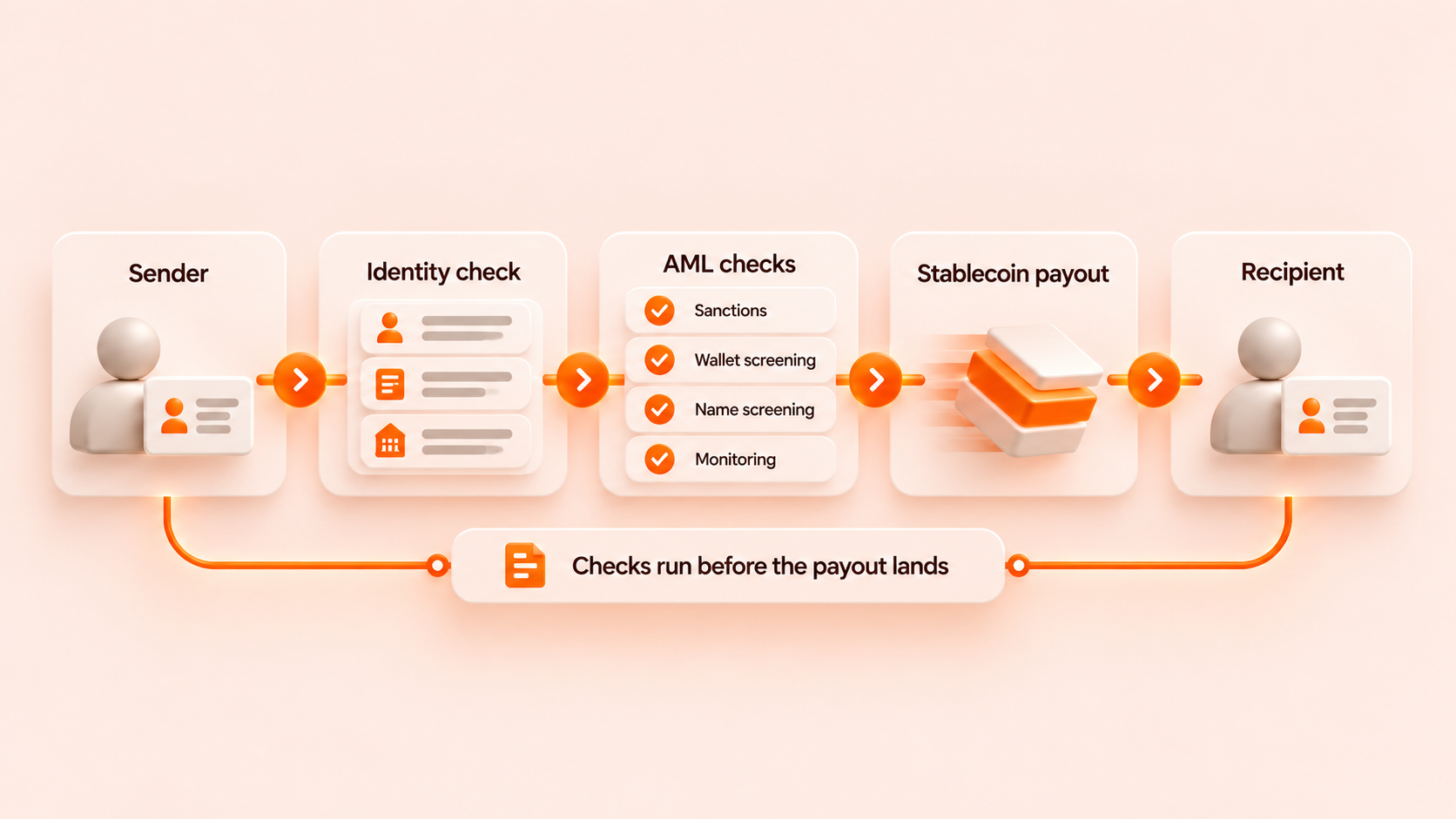
- Screen once, on the platform. Sanctions screening, Travel Rule checks and monitoring should run inside the payout provider, with a published review time.
- Land in the right currency with the right record. India's Foreign Exchange Management Act defines currency as notes, cheques, drafts, cards and similar instruments notified by the RBI, and stablecoins are not among them. Global payroll payouts to India must therefore land in rupees through the banking channel, with a purpose code and an inward remittance record.
After the run: tracking and reconciliation
- Track to received, not sent. Status should stay visible per payee until funds reach the account.
- Reconcile received against owed. Measure the on-time, in-full rate per corridor every cycle. That number tells a CFO whether global payroll payouts are working.
What global payroll payouts cost a finance team
The cost is the gap between the payroll file and what lands, multiplied across every payee and cycle. At the World Bank’s 1.40% exchange rate margin for US to Philippines, a $200,000 monthly contractor payroll leaks $33,600 a year in FX alone.
zFX shows the live rate for the amount you want to send, so a CFO can see what each worker receives before the payout goes out.
The rail alone does not set the cost. What a worker receives depends on local liquidity in the destination corridor: whoever holds local currency there, and how deeply, sets the final rate.
How payroll platforms and payout providers split the work
| Layer | Owner | What it guarantees |
|---|---|---|
| Gross-to-net, tax, contracts, payslips | Payroll or EOR platform | The right amount is owed |
| Funding, rate, routing, screening, delivery | Payout provider | The right amount lands, on time |
For a Head of Payments, the payout layer is a build-or-partner decision. Building means licences, banks and liquidity in every corridor; partnering hands delivery risk for global payroll payouts to a specialist. Capgemini expects stablecoins, tokenised deposits and CBDCs to reach about 4% of global payments by 2030.
Where zPayments fits in global payroll payouts
zPayments works alongside payroll platforms, not against them, and handles the cross-border payroll payments a platform should not have to build. It delivers pay in local currency from a stablecoin balance.
The platform quotes every payout before it executes, showing one stated rate with the FX fee included and the local network commission, so payroll knows exactly what each worker receives before any money moves. Settlement is instant across supported corridors, and next business day where the local rail clears on a cycle, with the cutoff stated before sending. Screening, Travel Rule checks and monitoring run inside the platform.
Zoth Payments Limited is registered as a Money Services Business with FINTRAC, and payouts settle through licensed partners regulated in each corridor.
Frequently asked questions
What are global payroll payouts?
The transfers that deliver net pay to workers in other countries, in local currency, after payroll calculates what each person is owed.
How do global payroll payouts differ from global payroll?
Global payroll covers calculation, tax and compliance. The payout covers funding, conversion, routing and delivery. Different providers often own each layer.
Why do cross-border payroll payments arrive short?
Intermediary fees, receiving charges and FX margins are deducted en route. A held rate and the OUR charge code close most of the gap.
How should a CFO measure global payroll payouts?
By the on-time, in-full rate per corridor: the share of payees paid the full contracted amount by the contracted date.